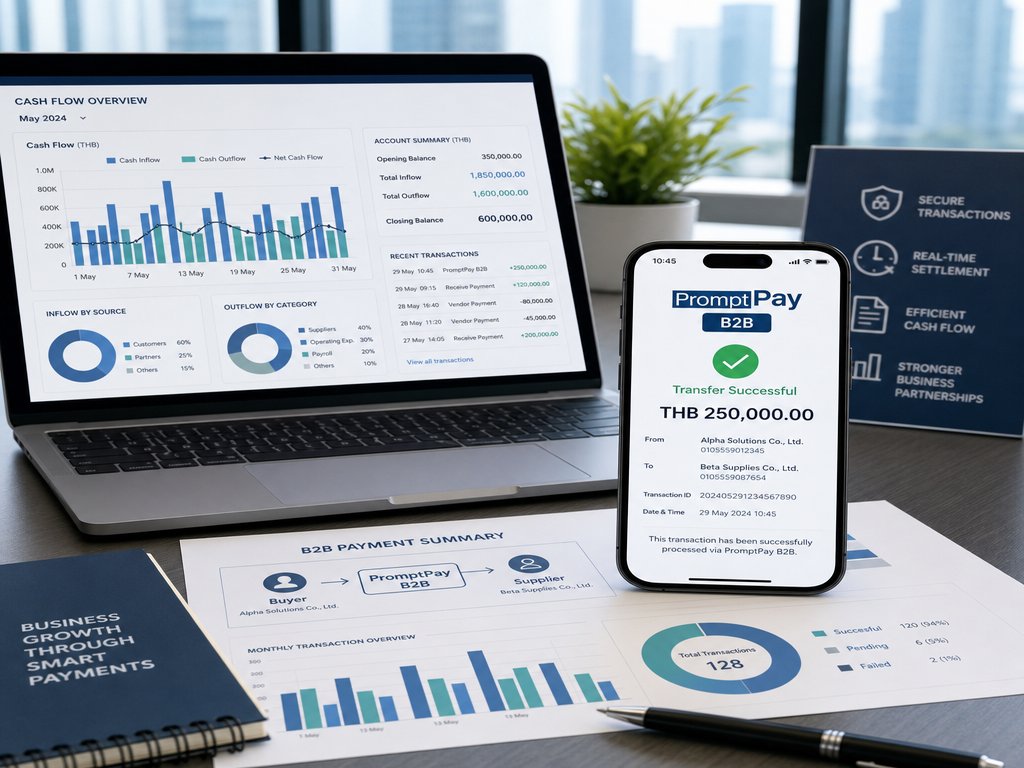
In construction, profit is not the same as cash flow. A contractor may have a signed purchase order, approved progress, and a predictable milestone payment from the developer, yet still face pressure when steel, cement, panels, plumbing products, electrical items, or finishing materials must be purchased before the next payout arrives. This timing gap is where B2B Buy Now, Pay Later (BNPL), 30-day credit terms, and digital payment tools can become practical working-capital solutions.
For contractors and project procurement teams in Thailand, the goal is not to borrow more than necessary. The goal is to match material payment dates with project cash inflows, reduce downtime caused by delayed purchasing, and maintain supplier confidence throughout the project cycle.
Why Cash Flow Gaps Happen in Construction Projects
Construction payments are often milestone-based. A contractor completes work, submits documents, waits for inspection, receives approval, and then waits for payment processing. Meanwhile, materials must be ordered in advance to keep teams productive on site.
- Material costs are paid early: Suppliers may require payment before delivery, especially for high-demand or fast-moving products.
- Developer payments arrive later: Milestone billing can take weeks after work is completed and accepted.
- Price volatility affects planning: Steel, fuel, imported components, and logistics costs may change quickly.
- Site delays are expensive: If materials arrive late, labor, equipment, and subcontractors may sit idle.
How B2B BNPL Works for Contractors
B2B BNPL allows approved business buyers to purchase materials now and pay later within an agreed period, commonly 7, 14, 30, or more days depending on the provider and credit assessment. Unlike consumer BNPL, B2B credit is designed around company documentation, purchase orders, invoices, and repeat trade relationships.
For construction procurement, BNPL can be used to bridge the short period between ordering materials and receiving the next project payment. It is especially useful for repeat purchases, urgent site requirements, or projects where procurement must happen before the next progress claim is collected.
The Strategic Value of 30-Day Credit Terms
Thirty-day credit terms are a simple but powerful tool. When used correctly, they create breathing room without disrupting procurement schedules. A contractor can receive materials, continue work, submit progress claims, and settle the supplier invoice when project funds are received.
- Stabilize working capital: Preserve cash for wages, subcontractors, equipment, transport, and emergency purchases.
- Improve project continuity: Avoid material shortages while waiting for developer or main contractor payments.
- Strengthen supplier relationships: Predictable payment behavior builds trust and may support higher credit limits over time.
- Support bulk purchasing: Contractors can secure required quantities earlier, reducing risk from shortages or price increases.
PromptPay Integration: Faster, Cleaner Settlement
In Thailand, PromptPay has become a key part of business payment workflows. When BNPL or 30-day credit facilities are connected with clear invoices and PromptPay settlement options, accounting becomes faster and easier to track.
- Instant or near-instant payment confirmation: Helps suppliers release orders or update credit status quickly.
- Lower friction for finance teams: Project managers can align invoice due dates with internal payment approvals.
- Better payment records: Digital transaction history supports reconciliation and reduces confusion across multiple sites.
A Practical Cash Flow Framework
Contractors can use the following framework to decide when BNPL or 30-day credit makes sense:
- Map the project cash cycle: Identify expected dates for material delivery, installation, inspection, billing, and payment collection.
- Match credit duration to milestone timing: Use 30-day terms when the expected project inflow falls within the same payment window.
- Separate essential and non-essential purchases: Use credit for materials that directly unlock progress, not for unnecessary inventory.
- Track due dates by project: Assign every BNPL purchase or credit invoice to a specific site, job number, or milestone.
- Maintain a repayment buffer: Do not rely on a developer payment arriving on the exact expected date. Build in a safety margin.
What Contractors Should Check Before Using BNPL
BNPL and credit terms are useful, but they must be managed professionally. Before committing, contractors should review the full commercial terms.
- Credit limit: Confirm whether the approved limit supports the project’s actual procurement needs.
- Fees and penalties: Understand late fees, service charges, or changes in pricing for credit purchases.
- Invoice requirements: Ensure tax invoices, delivery orders, and purchase documents match your accounting process.
- Approval speed: A facility is only useful if it can support urgent site requirements without excessive delay.
- Supplier reliability: Credit is most valuable when paired with consistent stock availability and dependable delivery.
Best-Fit Use Cases in Thai Construction
B2B BNPL and 30-day terms are particularly relevant for contractors managing several active sites, fit-out teams with tight handover schedules, MEP subcontractors, civil contractors ordering recurring consumables, and builders working under milestone-based payment contracts.
For example, a contractor waiting for a developer’s progress payment may still need to order structural steel, boards, waterproofing products, pipes, or electrical accessories this week. A 30-day credit line can keep procurement moving while the project claim is processed.
Conclusion: Use Credit as a Project Tool, Not a Last Resort
Digital credit lines, B2B BNPL, 30-day supplier terms, and PromptPay settlement can help Thai contractors protect working capital and reduce procurement delays. The key is disciplined usage: align credit with confirmed project revenue, monitor due dates closely, and buy from suppliers that understand construction timelines.
When credit is treated as part of project planning rather than emergency borrowing, it becomes a competitive advantage. Contractors can keep sites moving, maintain strong supplier relationships, and improve cash flow stability while waiting for milestone payouts.